
DDP vs DDU: who pays customs duties?
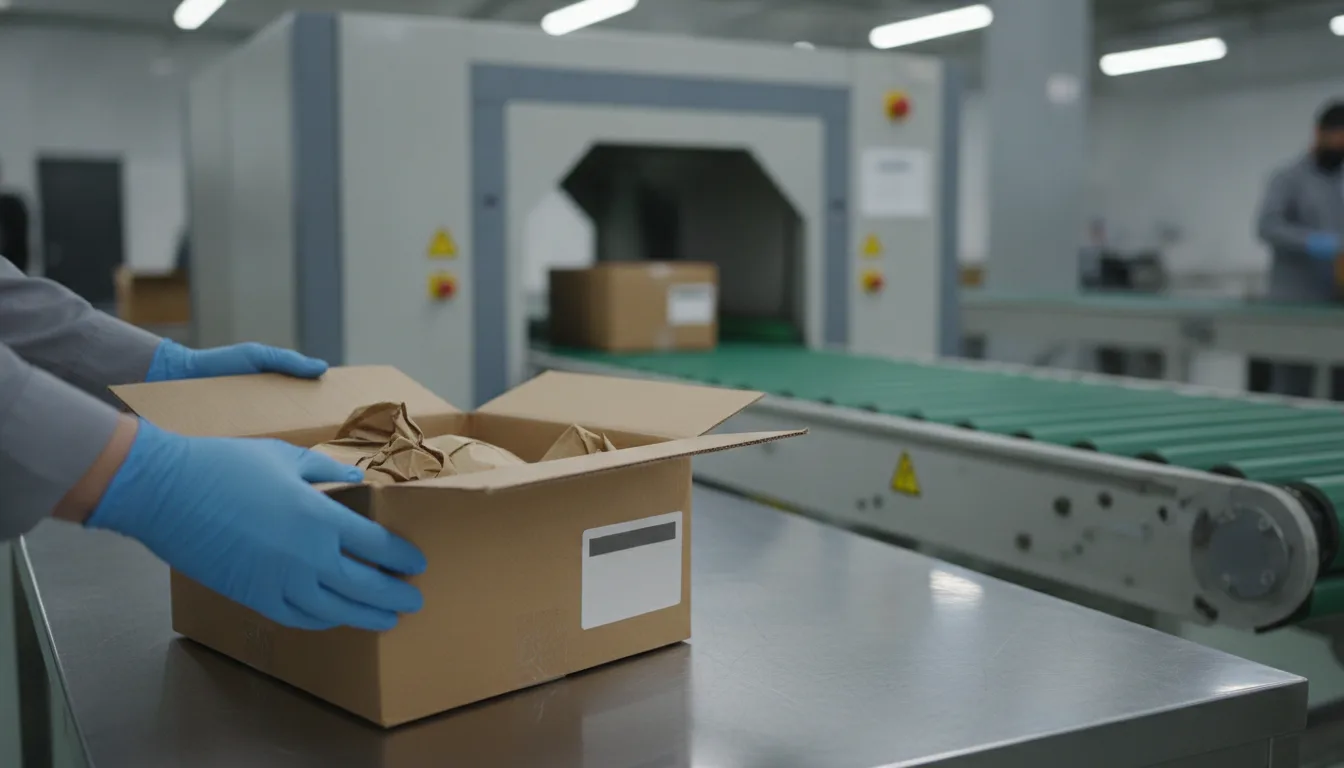
DDP and DDU are two Incoterms that answer one question: who pays the customs duties and taxes on an international shipment? Under DDP (Delivered Duty Paid), the seller pays them, so the buyer receives the parcel with nothing more to pay. Under DDU (now formally DAP, Delivered at Place), the buyer pays duties and taxes before the carrier releases the goods. For overseas sellers shipping into the U.S., DDP usually gives a cleaner customer experience and fewer refused parcels, while DDU shifts cost and risk onto the buyer.
DDP vs DDU at a glance
| Factor | DDP (Delivered Duty Paid) | DDU / DAP (Delivered at Place) |
|---|---|---|
| Who pays duties and taxes | Seller | Buyer |
| Buyer pays at delivery | Nothing extra | Duties, taxes, and often a handling fee |
| Customer experience | Smooth, all-in price | Risk of surprise bill at the door |
| Refused or returned parcels | Lower | Higher, when buyers reject the charge |
| Upfront cost to seller | Higher | Lower |
| Cost predictability for seller | Seller must estimate duties accurately | Seller avoids duty exposure |
| Best for | Consumer ecommerce, brand experience | Lower-value or price-sensitive shipping, informed buyers |
What DDP means
Under DDP, the seller is responsible for delivering the goods all the way to the buyer's location with all duties, taxes, and clearance costs already paid. The price the customer saw at checkout is the final price. Nothing is collected at the door.
Advantages: a clean, all-in customer experience; far fewer refused deliveries; a stronger brand impression because there are no surprises. Trade-offs: you carry the duty cost and must estimate duties and taxes accurately so your pricing stays profitable. If you underestimate, the duty eats your margin; if you overestimate, your prices look high.
What DDU (DAP) means
Under DDU, now standardized as DAP, the seller gets the goods to the destination but the buyer is responsible for import duties, taxes, and any carrier handling fee before the parcel is released. The buyer effectively completes the import.
Advantages: lower upfront cost and no duty exposure for the seller; a simpler checkout price. Trade-offs: the buyer can be hit with an unexpected bill at delivery, which frequently leads to refused parcels, chargebacks, and negative reviews. It works best when buyers are informed in advance or are experienced with importing.
The most common cause of refused international parcels is a customer who did not expect to pay duty at the door. DDP removes that surprise; DDU makes disclosure essential.
Why the end of de minimis makes this decision bigger
Until 2025, many low-value U.S. orders entered duty-free under the de minimis exemption, so for small parcels there was little duty to assign to either party. That is no longer the case. The U.S. suspended duty-free de minimis treatment for all countries on August 29, 2025, and CBP made the suspension indefinite in June 2026 (Federal Register). Nearly every commercial parcel now carries duty, so the DDP-versus-DDU choice matters for small orders too, not only for high-value shipments.
Which should you choose?
There is no universal answer, but these guidelines fit most overseas sellers shipping into the U.S.
- Choose DDP for consumer ecommerce where a smooth, all-in price and low refusal rate protect your brand and conversion.
- Choose DDU/DAP only when buyers are clearly told, at checkout, that they will pay import charges on delivery.
- Always disclose your terms at checkout. Hidden duty bills are the fastest route to refused parcels and disputes.
Whatever you choose, accurate customs data is what makes it work. To ship DDP well you need reliable duty estimates, and to ship DDU without complaints you need to communicate clearly. Multi-carrier shipping software helps by producing consistent customs declarations on every parcel.
Where Expership fits
Expership is multi-carrier shipping software and an API for overseas brands and consolidators shipping into the U.S. It generates compliant labels and customs data so you can operate DDP or DDU cleanly and route each parcel to the best service. For bulk inventory movement, Expership also runs an LCL ocean-freight lane, currently Turkey to the U.S., at Expership Freight. Explore the platform or create an account. New to cross-border? Start with the complete guide to cross-border ecommerce shipping or how to ship to the USA from overseas.
Frequently asked questions
What is the difference between DDP and DDU?
Under DDP the seller pays customs duties and taxes so the buyer pays nothing extra at delivery. Under DDU (now DAP) the buyer pays those charges before the carrier releases the parcel.
Is DDU the same as DAP?
Effectively yes. DDU was replaced in the Incoterms rules by DAP (Delivered at Place). Both mean the buyer is responsible for import duties and taxes at destination.
Which is better for ecommerce, DDP or DDU?
For consumer ecommerce, DDP is usually better because it gives an all-in price and produces fewer refused deliveries. DDU can work when buyers are told clearly at checkout that they will pay import charges.
Who pays the carrier handling fee under DDU?
The buyer typically pays it along with the duties and taxes at delivery. This fee is one reason DDU surprises customers, so disclose it in advance.
Does de minimis still remove the need to choose?
No. The U.S. suspended duty-free de minimis entry in 2025, so low-value parcels now carry duty too, and every order needs a DDP or DDU decision. Check current CBP guidance, since these rules have changed several times.