
LCL ocean freight explained (and when it beats parcel)
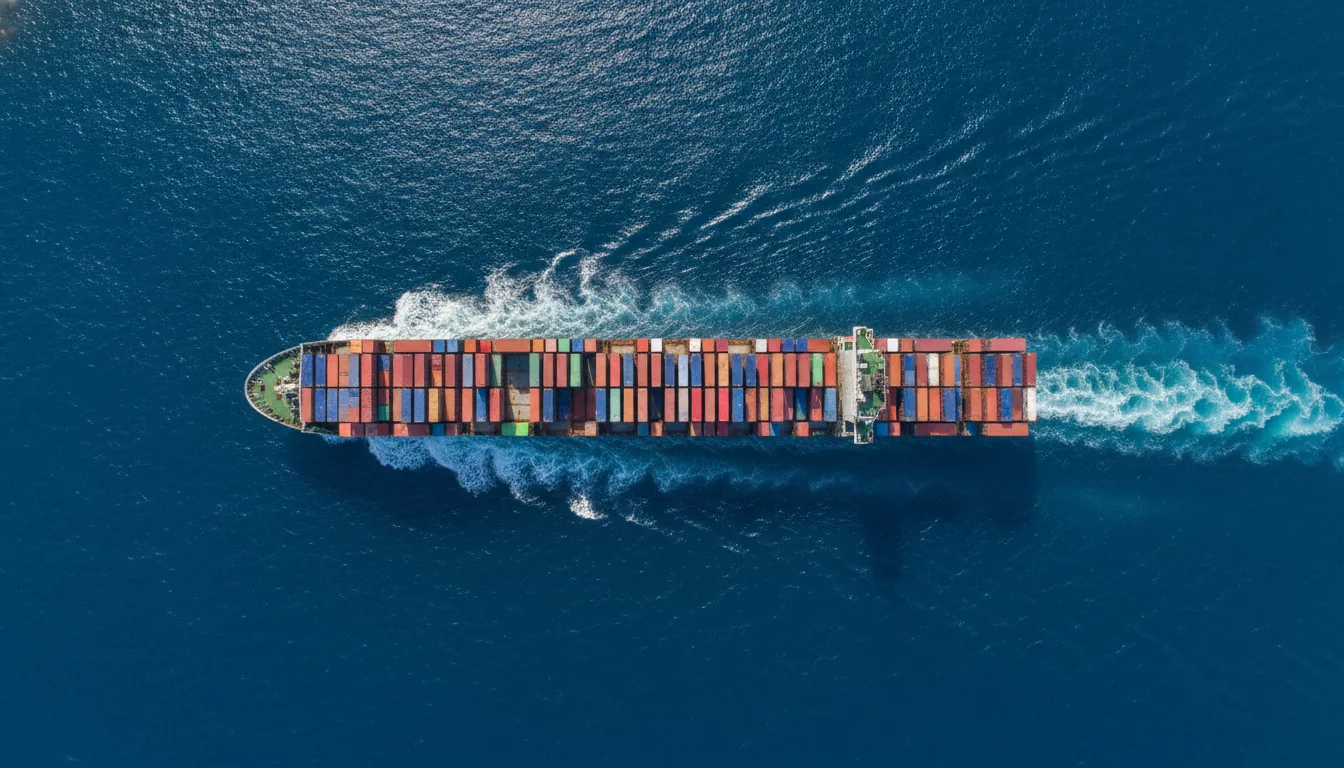
LCL ocean freight, short for less-than-container-load, is a shipping method where your cargo shares a shipping container with goods from other businesses instead of filling a whole container yourself. You pay for the space your cargo occupies rather than for a full container. For overseas sellers moving inventory into the U.S. in volumes too large for parcels but too small to fill a container, LCL is often the most cost-effective way to get stock to a U.S. warehouse for domestic fulfillment.
What LCL ocean freight is
In full-container-load (FCL) shipping, you book an entire container. In LCL, a freight consolidator combines your cargo with other shippers' goods into one shared container at the origin port, ships it, then deconsolidates it at the destination so each shipper collects their portion. You are billed by volume (usually cubic meters) or by weight, whichever is greater.
This makes LCL the natural middle option between parcel shipping single orders and booking a full container. It lets you move pallets of inventory without paying for space you would not use.
When LCL beats parcel shipping
Parcel shipping is priced per package and is ideal for fulfilling individual customer orders. But once you are moving inventory in bulk, per-parcel economics work against you. LCL tends to win in these situations.
- You are restocking a U.S. warehouse rather than shipping to end customers, then fulfilling domestically.
- Your shipment is several cartons or pallets, enough that parcel rates add up but not enough to fill a container.
- Speed is not critical, so ocean transit time is acceptable in exchange for a lower per-unit cost.
- Your products are not urgent or highly perishable.
The trade-off is time. Ocean freight is slower than air or express parcel, and LCL adds consolidation and deconsolidation steps. If you need goods fast or in small quantity, parcel or express is still the better tool. For that side, see how to ship to the USA from overseas.
LCL vs FCL: which container option?
Once LCL makes sense over parcels, the next question is whether you have enough volume to justify a full container instead.
- Choose LCL when your cargo does not fill a container and you would rather not pay for empty space.
- Choose FCL when you have enough volume to fill or nearly fill a container, since the per-unit cost usually drops and your goods are not handled alongside others.
A common pattern is to start with LCL as you build U.S. demand, then move to FCL once your volume per shipment grows.
How LCL fits an overseas seller's fulfillment
Many overseas brands and consolidators use a two-stage model: move inventory in bulk to a U.S. warehouse, then fulfill customer orders domestically from that stock. LCL is the bulk-movement leg of that model.
- Consolidate inventory at origin and book LCL space.
- Ship to a U.S. port and clear customs on the bulk shipment.
- Deconsolidate and move the goods to your warehouse.
- Fulfill domestically, which cuts per-order shipping cost and delivery time to U.S. customers.
This can lower landed cost per unit compared with shipping each order internationally, and it shortens the last-mile delivery your customers experience. Weigh it against the working capital tied up in holding U.S. inventory. For more cost levers, see how to reduce shipping costs.
What to keep in mind with LCL
- Customs still applies to the bulk shipment, with accurate HS codes, values, and documentation. Duties are assessed at import.
- Transit and handling take longer than parcel or air, so plan inventory ahead of demand.
- Shared handling means your cargo is loaded and unloaded with others, so pack for the journey.
- Charges can include origin fees (pickup and consolidation at the container freight station), ocean freight billed per cubic meter or ton, and destination fees for terminal handling and deconsolidation. Ask for a fully itemized door-to-door quote.
Expership Freight: LCL into the U.S.
Expership runs an LCL ocean-freight service into the U.S. Today this lane is available Turkey to the U.S., with more origin lanes planned. If you are a seller or consolidator moving inventory from Turkey to a U.S. warehouse, you can use Expership Freight for the ocean leg, then fulfill U.S. orders domestically. Alongside freight, Expership is multi-carrier shipping software and an API for the parcel side of your business, so you can manage both bulk inventory movement and per-order shipping. Create an account to get started, or read the complete guide to cross-border ecommerce shipping for the full picture.
Frequently asked questions
What does LCL mean in shipping?
LCL stands for less-than-container-load. Your cargo shares a container with other shippers' goods, and you pay for the space or weight your cargo takes rather than for a whole container.
When should I use LCL instead of parcel shipping?
Use LCL when you are moving inventory in bulk to a U.S. warehouse rather than shipping single customer orders, your volume is several cartons or pallets, and ocean transit time is acceptable in exchange for a lower per-unit cost.
Is LCL cheaper than FCL?
For small volumes, LCL is usually cheaper because you only pay for the space you use. Once you have enough cargo to fill or nearly fill a container, FCL typically has a lower per-unit cost.
Do I still pay customs duties on an LCL shipment?
Yes. Customs and any applicable duties apply to the bulk shipment at import, with accurate HS codes and documentation required. Verify current CBP requirements and duty treatment for your goods.
Which LCL lanes does Expership offer?
Expership Freight currently offers LCL ocean freight from Turkey to the U.S., with additional origin lanes planned. Check Expership Freight for the current availability.